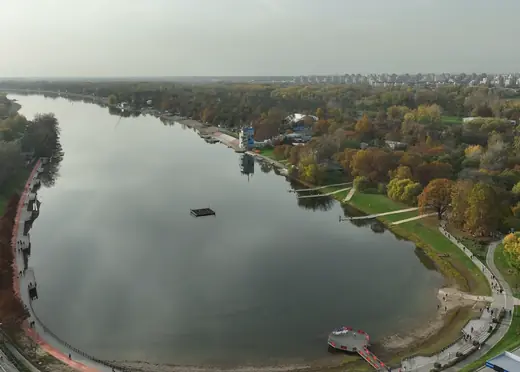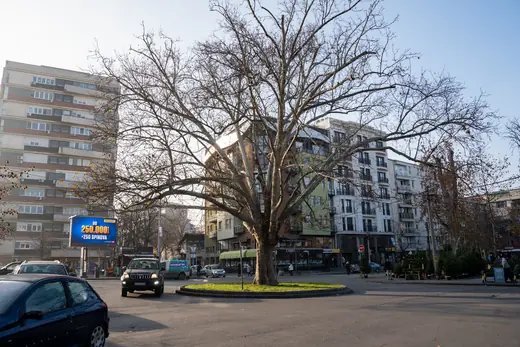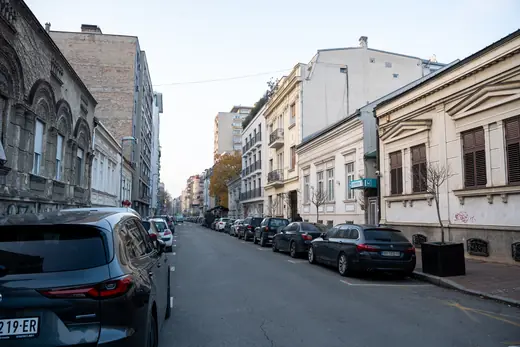
Known across Serbia and the Balkans, Dorćol has been the core of the capital since antiquity.
Locals will hardly agree on its borders, but today’s Dorćol lies between Kalemegdan park, Vasina and Uzun-Mirkova streets, the area around Bulevar despota Stefana and the Danube. Older Belgraders say the real Dorćol is only the lower part, between Cara Dušana street and the river.
The name comes from Turkish and means a crossroads of four streets. Under Ottoman rule today’s Cara Dušana street was the centre of Belgrade, the baš-čaršija, until the second half of the 19th century, and the most important houses in Belgrade stood on Dorćol. Where old houses and narrow streets once were, there are now modern residential buildings.
Terazije, Knez Mihailova and Kalemegdan are minutes away on foot, and the promenade along the river is a refuge from the city. Studentski trg, the western border, is rich in culture: Kolarac Endowment with its hall and gallery, the seat of the Belgrade Philharmonic, and nearby the National Theatre and the National Museum.
At night Dorćol stays among the most visited places: bohemian Skadarlija, or clubs for jazz, rock and old-town music. It is the neighbourhood of Meša Selimović, Nikola Pašić and Stevan Mokranjac. As Dragan Ambrozić of the Belgrade Youth Centre put it: “Without the real Dorćol it would be rather silly to live in Belgrade.”